Clarksville Homeowner’s Guide to Water Heater Replacement: Signs, Options, and What to Expect
Water heaters don’t last forever—and when yours starts showing signs like rusty hot water or leaks, waiting only makes things worse. Knowing when to replace your unit can save you from cold showers and costly damage. This Clarksville water heater replacement guide walks you through the key signs, your best options, and what to expect during installation, so you can make smart choices with confidence. Learn more about our step-by-step process.
Identifying When to Replace Your Water Heater
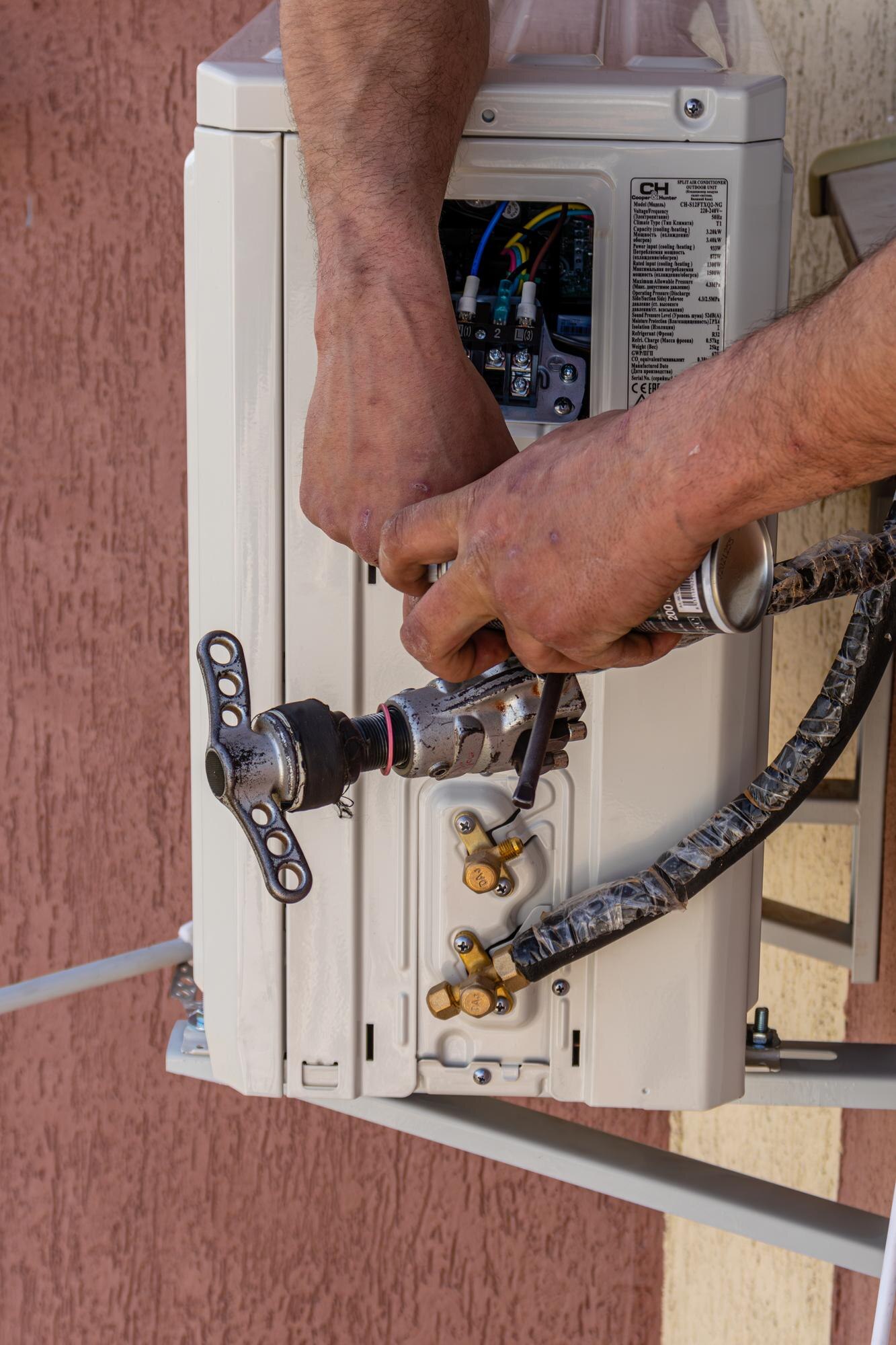
Aging water heaters can cause a lot of stress. But how do you know when it’s time to get a new one? Let’s explore the signs and considerations.
Signs You Need a New Water Heater
Is your shower running cold too often? This could be a sign you need a new water heater. Other warnings include water not heating enough, strange noises, or visible rust. Rusty hot water is more than an annoyance; it indicates corrosion inside the tank. If left unchecked, this can lead to leaks. Also, if your water heater is leaking, it’s more than just a nuisance. A leak suggests the tank might fail soon, risking water damage.
If these issues sound familiar, it’s time to start thinking about your options. Don’t wait for a major failure, as this can lead to more costly repairs.
Common Water Heater Problems
Water heaters can develop several issues over time. Sediment buildup in the tank is a frequent problem. This can affect the unit’s efficiency. Regularly flushing the tank can help minimize this problem. Additionally, the anode rod, which prevents corrosion, often needs replacement. Watch for water that’s rusty or too hot; these are telltale signs of bigger issues.
Ignoring these problems can lead to more significant damage. Most people think they can delay fixing these issues, but the longer you wait, the higher the risk of a water heater breakdown.
Water Heater Lifespan Considerations
How long should a water heater last? Typically, a traditional tank model lasts 8-12 years. If your unit is nearing this age, consider a replacement. Tankless models tend to last longer, around 20 years. The lifespan of your heater depends on factors like usage, maintenance, and water quality.
Taking care of your water heater can extend its life. Regular maintenance is key. If you’re unsure about the condition of your unit, consult a licensed plumber in Clarksville.
Choosing the Right Water Heater
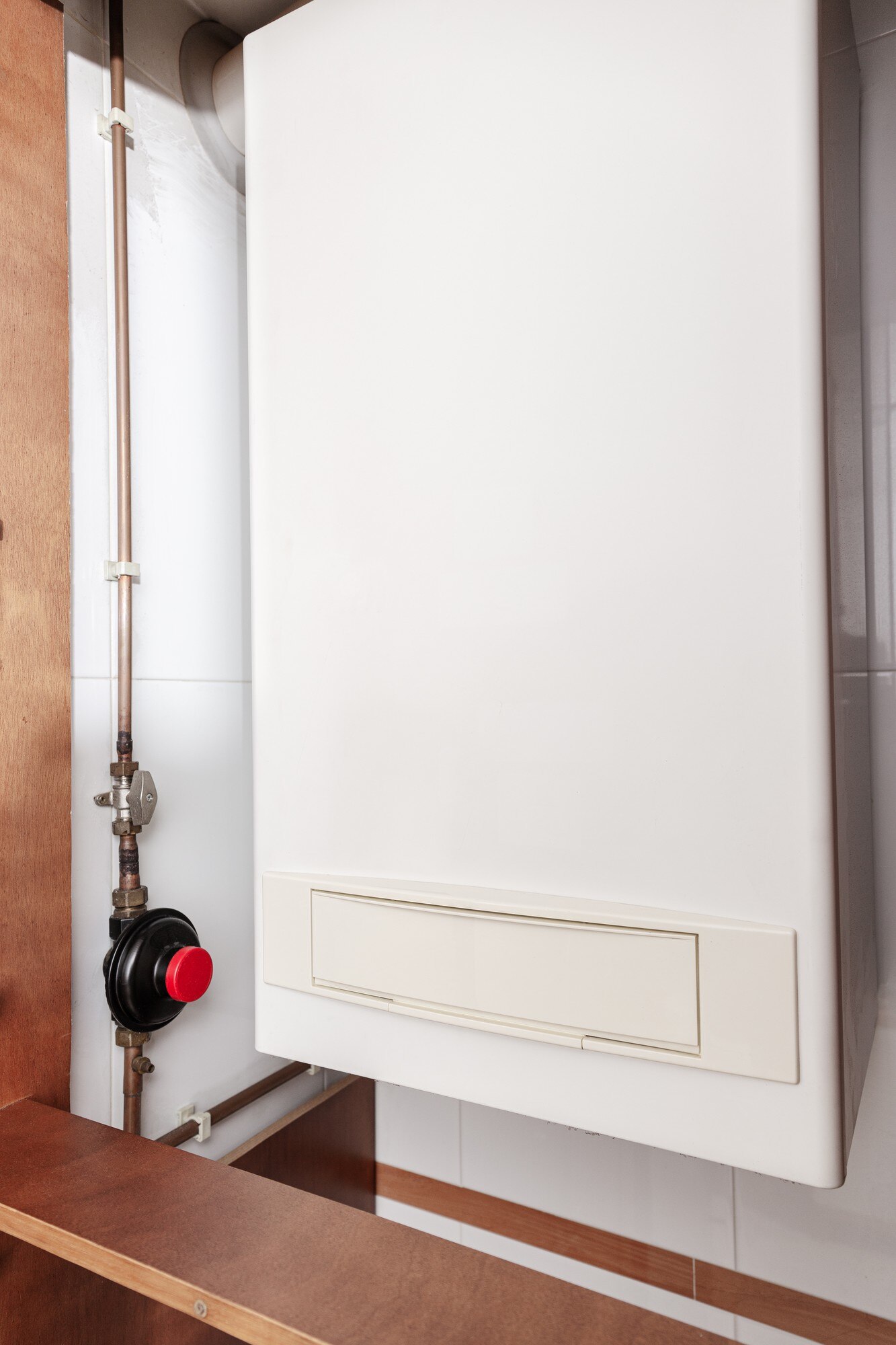
Choosing the right water heater can be overwhelming. But fear not, we’re here to guide you through the options so you find the best fit for your home.
Traditional Tank vs. Tankless Options
Traditional and tankless water heaters each have their pros and cons. A traditional tank water heater stores hot water and is usually less expensive upfront. They come in various sizes, including the popular 40-gallon and 50-gallon water heater models. However, they can be less energy-efficient over time.
Tankless water heaters, on the other hand, provide hot water on demand. They are usually more efficient and can save space in your home. Though they have a higher initial cost, they often result in energy savings. See how to install one.
Gas or Electric Water Heaters
Choosing between gas and electric water heaters depends on your home setup and preferences. Gas water heaters generally heat water faster and can be more cost-effective, especially in areas with high electricity costs. They require a gas line and proper venting.
Electric water heaters tend to be easier to install and require less maintenance. They are a good option if your home doesn’t have a gas line. For more on gas water heater installation, check out this resource.
Sizing Your Water Heater
The size of your water heater matters. A unit that’s too small won’t meet your household’s needs. Conversely, an overly large heater can waste energy. Consider your family’s size and water usage. A 40-gallon water heater suits smaller households, while larger families might need a 50-gallon model.
Choosing the right size ensures efficiency and comfort. For personalized advice, consult a local plumber in Clarksville TN.
Understanding the Replacement Process
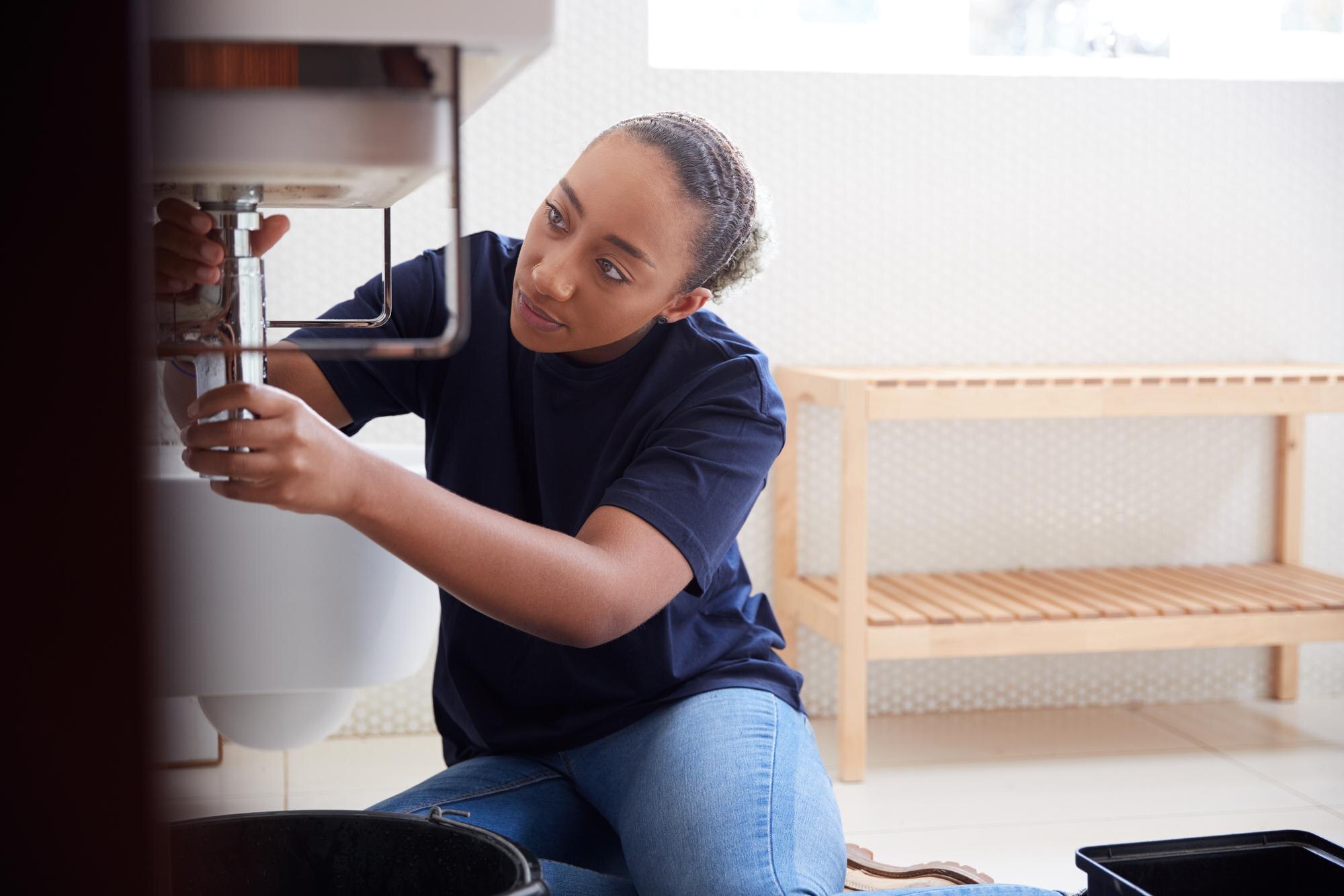
Understanding the replacement process can ease your mind. Here’s what you need to know to ensure a smooth installation.
Steps in Water Heater Installation
The installation process involves several steps. First, your old unit is removed. Next, the new water heater is positioned and connected. Finally, the system is tested to ensure it’s working correctly. This might sound like a lot, but rest assured, professionals handle each step with care.
Hiring a licensed plumber ensures everything is done safely and efficiently. It’s important to choose someone experienced to avoid any issues down the line.
Importance of Code Compliance
Code compliance is crucial during installation. Local regulations ensure your water heater operates safely. Installing a unit without following codes can lead to problems, including safety hazards. Make sure your installer understands these rules. You might need a permit for water heater installation in Clarksville.
Compliance isn’t just about avoiding fines; it’s about ensuring your family’s safety. Trust professionals who prioritize this aspect.
Scheduling Your In-Home Assessment
Ready for a change? Scheduling an in-home assessment is your first step. During this visit, a professional evaluates your current system and discusses your options. This helps ensure your new water heater meets your needs.
Booking an assessment with E&C ProCraft is easy. Their friendly team is ready to assist you, ensuring you find the perfect solution for your home. Don’t wait until it’s too late; plan for your future comfort now.